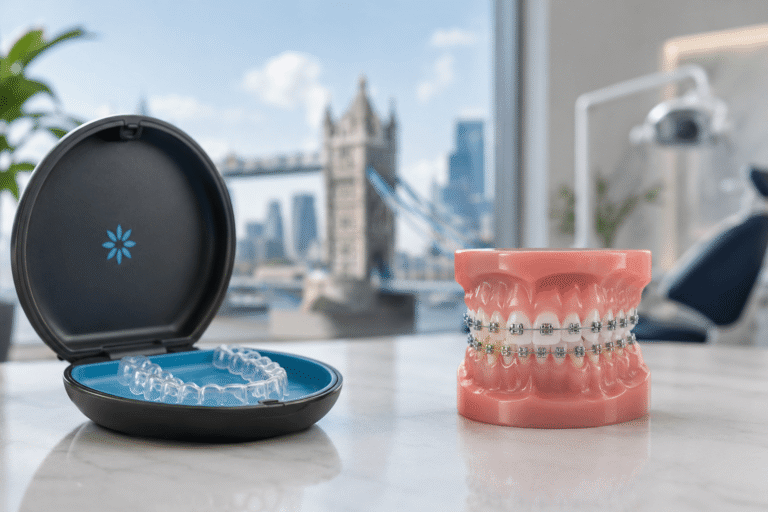

Short answer: composite bonding vs Invisalign depends on whether the main goal is a cosmetic change to the shape or appearance of selected teeth or the gradual movement of teeth. Composite bonding may help with minor chips, uneven edges or selected small gaps, while Invisalign is designed for certain alignment concerns. At iCare Dental, the appropriate option should be discussed after an assessment of the teeth, bite, oral health and desired result.
What Is Composite Bonding?
Composite bonding involves applying tooth-coloured composite resin to selected areas of a tooth. It may be used to improve the appearance of minor chips, uneven edges, small gaps or changes in tooth shape, depending on clinical suitability. The treatment is focused mainly on the appearance and shape of the tooth rather than moving the tooth into a new position.
What Is Invisalign?
Invisalign uses a series of removable clear aligners designed to apply controlled pressure and gradually move teeth. It may be suitable for selected alignment concerns, although not every case can be treated with clear aligners. An assessment is needed to determine whether aligners are appropriate for the patient’s teeth, bite and treatment goals.
Key Differences Between the Treatments
| Consideration | Composite bonding | Invisalign |
| Main purpose | Changes selected tooth shape or appearance | Gradually moves teeth |
| Treatment type | Cosmetic restorative procedure | Orthodontic treatment |
| Removability | Resin remains on the tooth unless repaired or removed | Aligners are removable as instructed |
| Suitability | Depends on tooth condition and desired cosmetic change | Depends on alignment, bite and clinical suitability |
| Maintenance | Requires oral hygiene and monitoring of the bonded areas | Requires aligner care, oral hygiene and compliance |
| Expected outcome | Aims to improve the appearance of selected teeth | Aims to improve tooth alignment and, where appropriate, bite concerns |
When Might Composite Bonding Be Considered?
- A small chip or uneven tooth edge.
- A minor change in tooth shape.
- Selected small gaps or cosmetic concerns.
- A desire for a conservative cosmetic improvement, where clinically suitable.
Bonding is not a substitute for orthodontic treatment when the main concern involves tooth position or a more complex bite problem. The dentist should assess the tooth structure, bite, oral hygiene and the patient’s expectations before recommending treatment.
When Might Invisalign Be Considered?
- Selected cases of crooked or crowded teeth.
- Some spacing or alignment concerns.
- Patients who prefer a removable clear-aligner approach, where suitable.
- Patients who can follow the recommended wear and care instructions.
Clear aligners require consistent use according to the treatment plan. They are not automatically suitable for every orthodontic problem, so an assessment remains essential.
Can the Treatments Be Combined?
In some treatment plans, orthodontic alignment and cosmetic bonding may be considered at different stages. For example, a clinician may first assess whether tooth movement is needed and then consider cosmetic refinements once alignment has been addressed. Whether a combined approach is appropriate depends on the patient’s oral health, treatment goals and clinical assessment.
Questions to Ask at Your Consultation
- Is my main concern tooth shape, tooth position or both?
- Would bonding or orthodontic treatment address the underlying issue?
- What are the benefits, limitations and maintenance requirements?
- Will any existing dental work affect suitability?
- What will the total cost include?
- What aftercare or future maintenance may be needed?
Explore Your Options with iCare Dental
Choosing between composite bonding and Invisalign should begin with a clear understanding of your goals and the condition of your teeth. A professional assessment can help you compare suitable options, expected outcomes, treatment stages and costs.
You can learn more about composite bonding at iCare Dental or visit the iCare Dental website to confirm the current services and booking process.
Frequently Asked Questions
Is composite bonding the same as Invisalign?
No. Composite bonding changes the appearance or shape of selected teeth using resin, while Invisalign uses clear aligners to move teeth gradually.
Which treatment is cheaper?
The cost depends on the number of teeth involved, treatment complexity, appointments and what is included. A personalised quotation is needed for an accurate comparison.
Can Invisalign fix every dental problem?
No. Clear aligners are suitable for selected cases only. An assessment is required to determine whether they can address the patient’s alignment and bite concerns.