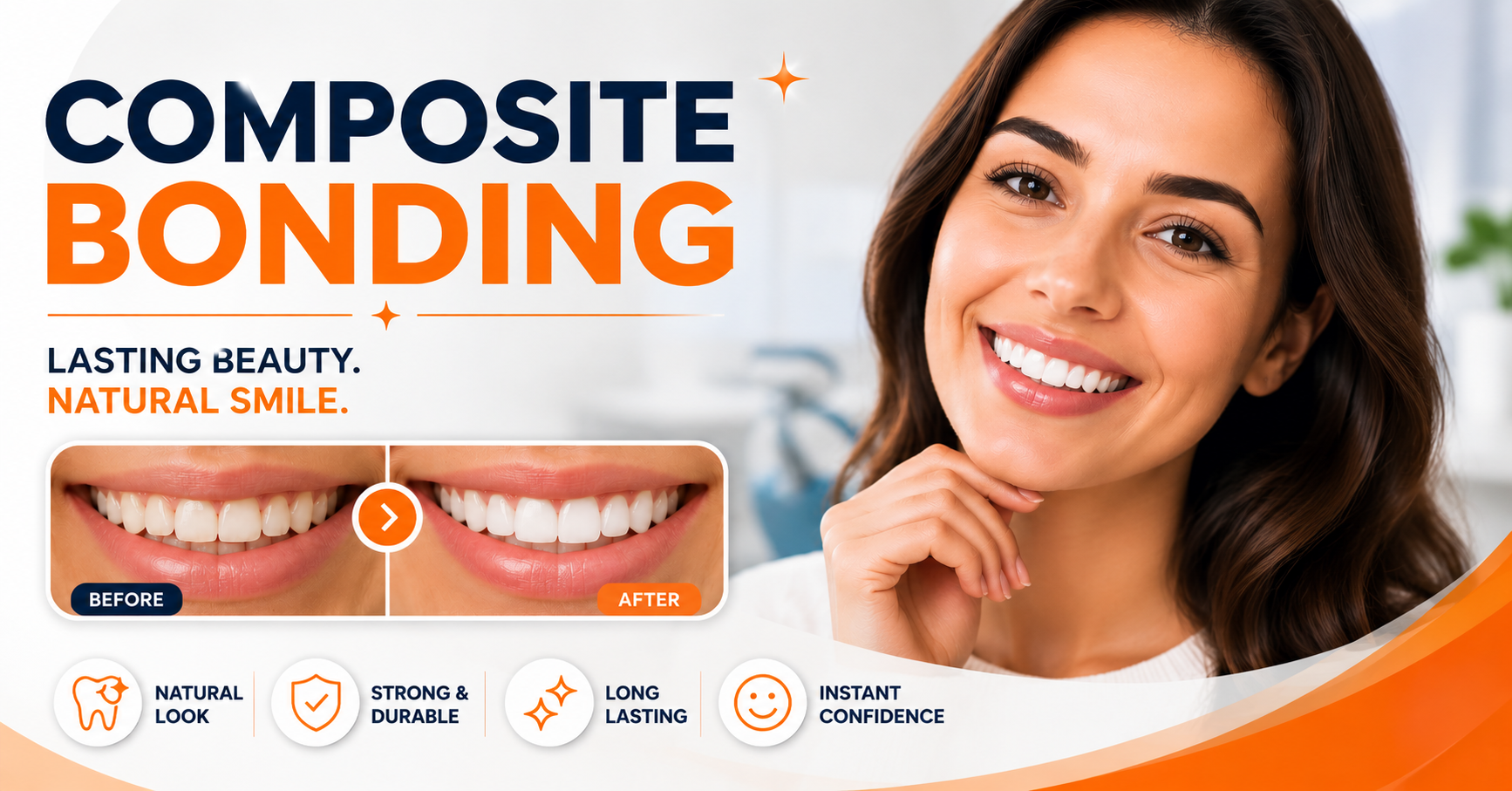
There’s a reason this question comes up so often: people notice a chipped edge, a small gap, or a discoloured tooth, and want to know if there’s a fix that doesn’t involve months of treatment or removing healthy enamel. Composite bonding is usually the answer — but how long it actually lasts depends on more than most people assume. Here’s the full picture, not just the headline number.
Why Composite Bonding Has Become So Popular?
Composite bonding uses a tooth-coloured resin that’s sculpted directly onto the tooth, then hardened with a curing light and polished to match your natural enamel. Unlike veneers, it typically requires little to no removal of the tooth’s surface, which makes it one of the more conservative treatments available.
This matters because so many people want a smile improvement without permanently altering healthy tooth structure. Bonding can close small gaps, rebuild a chipped edge, disguise discolouration, and reshape uneven teeth — often in a single appointment. It’s become a go-to option for anyone wanting a quick, affordable improvement before considering something more involved.
The honest truth is that bonding isn’t a “forever” fix in the way a crown might be. It’s a durable, repairable solution — and understanding that distinction is what actually determines whether you’ll be happy with it five years from now.
Standard Recommendation: 5 to 7 Years
For most patients with reasonable oral hygiene and no heavy biting habits, composite bonding typically lasts 5 to 7 years before it needs touching up or replacing. This is the range most cosmetic dentists quote, and it reflects normal wear from everyday eating, brushing, and time.
When You Might Need Bonding Redone Sooner — Every 2 to 4 Years
Several common habits and factors can shorten that timeframe considerably:
- Nail-biting or pen-chewing. These habits put repeated, concentrated pressure on bonded edges, which are more prone to chipping than natural enamel.
- Teeth grinding (bruxism). Grinding — especially at night — is one of the fastest ways to wear down or fracture bonding. A night guard is often recommended alongside bonding for this reason.
- Biting into hard foods. Ice, hard sweets, and biting nails or bottle caps can chip the resin far more easily than it would chip natural tooth enamel.
- Smoking and heavy staining drinks. Coffee, red wine, and tobacco can gradually discolour the surface of bonding over time, since composite resin is more porous than natural enamel or porcelain.
- Poor oral hygiene. Plaque build-up around the edges of bonded teeth can affect both the appearance and the seal of the material over time.
- Bonding on front biting edges. Bonding placed on the biting edge of a front tooth takes more direct force than bonding placed on a side surface, so it tends to need attention sooner.
What Actually Happens as Bonding Ages
It’s worth being direct about this rather than vague. Composite bonding doesn’t fail all at once — it changes gradually, and knowing the pattern helps you catch issues early:
The surface gradually loses its polish and shine → small surface stains begin to show, especially at the edges → micro-chips can appear on edges under regular pressure → without attention, a visible chip or rough edge develops that catches on your lip or tongue.
The good news is that, unlike some cosmetic treatments, composite bonding is repairable rather than all-or-nothing. A skilled cosmetic dentist can usually polish out surface stains, smooth a small chip, or add fresh composite to a worn area — often without needing to redo the whole tooth.
So How Do You Know What's Right for You?
The honest answer is that it depends on your bite, habits, and what you’re trying to achieve. At your consultation, ask directly: “Given my bite and habits, how long would you expect this to realistically last, and what would maintenance look like?” A good cosmetic dentist will give you a straight, personalised answer rather than a generic one.
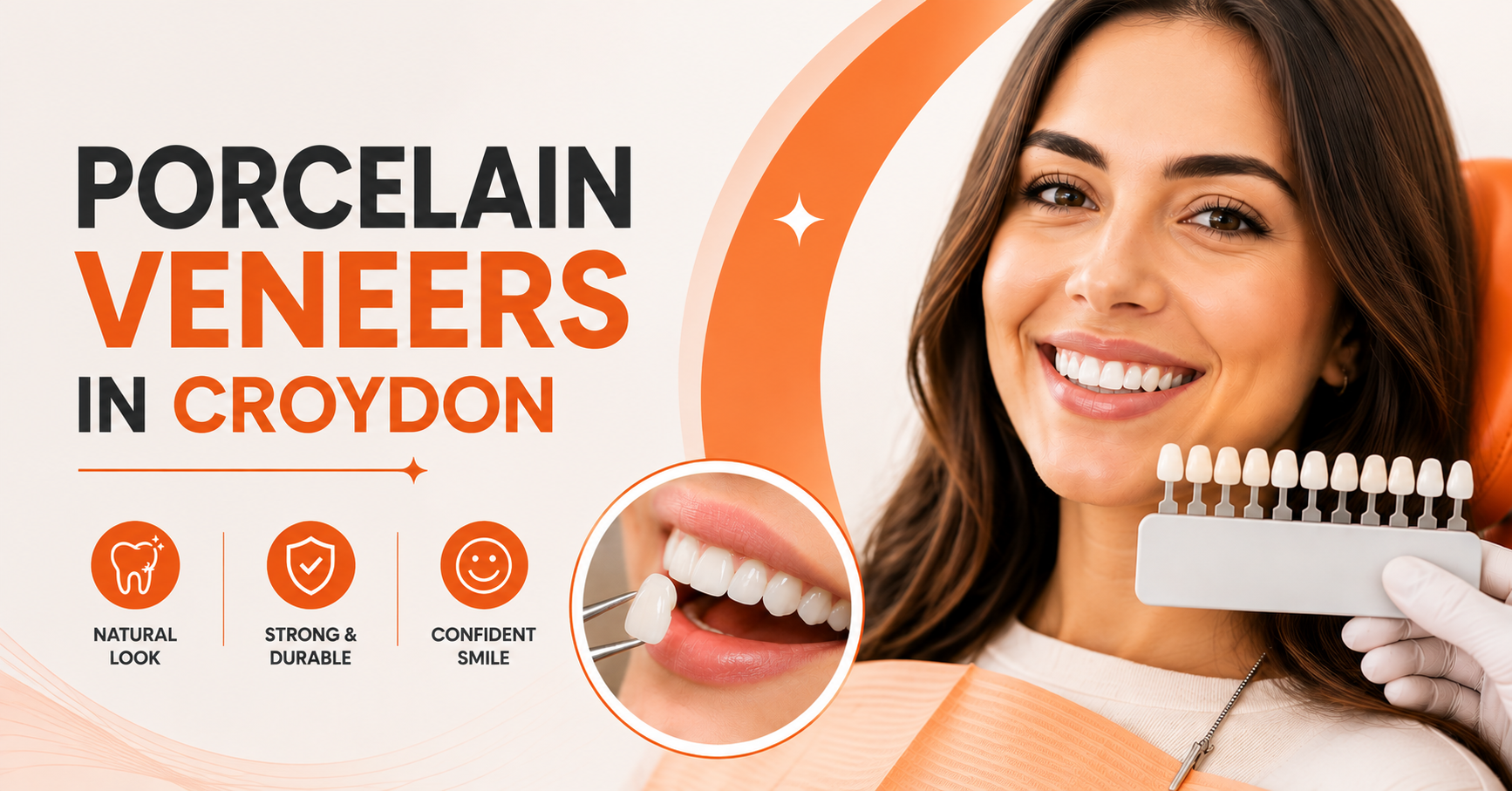
If you’re in Croydon and considering composite bonding, iCare Dental’s Compost Bonding Consultations start from £90 per tooth, and include a full assessment of your bite and suitability. If you’re after a more dramatic or longer-lasting change, our veneers page covers what a porcelain alternative involves if bonding isn’t the right fit for your goals.
Conclusion
How long your composite bonding lasts in Croydon depends on your bite, habits, and how well it’s cared for. While many patients enjoy 5–7 years from a single treatment, some may need earlier touch-ups — and that’s completely normal and expected with this type of cosmetic work. At iCare Dental Croydon, our experienced cosmetic dentists provide precision bonding treatment tailored to your smile goals and bite. Book your composite bonding consultation today and take the first step toward a smile you’re confident to show off.
Frequently asked questions
Q1. Is composite bonding permanent? No
No. Composite bonding is a semi-permanent treatment, typically lasting 5 to 7 years before it needs repair or replacement. It can be maintained, repaired, or upgraded to veneers later if you choose.
Q2. Does composite bonding damage your teeth?
Composite Bonding is minimally invasive and, in most cases, requires little to no removal of natural enamel, making it one of the more conservative cosmetic options available.
Q3. How much does composite bonding cost in Croydon?
Pricing varies depending on how many teeth are treated and the complexity of the work, but treatment typically starts from £90 per tooth. Your dentist can give you an exact quote after an assessment.
Q4. Can composite bonding fix a chipped tooth?
Yes. Bonding is one of the most common ways to repair a chipped or cracked front tooth, often completed in a single visit with immediate results.
Q5. Does composite bonding stain like natural teeth?
Composite resin is slightly more porous than natural enamel, so it can pick up staining from coffee, red wine, or smoking over time. Good oral hygiene and avoiding heavy staining habits help it stay looking its best for longer.
Q6. Is composite bonding better than veneers?
Neither is universally “better” — they suit different goals. Bonding is quicker, more affordable, and reversible, while veneers tend to last longer and resist staining better. Your dentist can advise which suits your smile goals and budget.
Ready for a More Confident Smile?
Composite bonding is a fast, affordable way to fix chips, gaps, and discolouration — often in just one visit. Our experienced cosmetic dentists provide precision bonding tailored to your smile.
✓ Composite Bonding from £90 per tooth
✓ Same-Day Results Available
✓ Emergency Appointments Available