Tartar is one of the most common dental problems affecting adults and children alike. While many people focus on brushing away plaque, tartar is different. Once it forms on your teeth, it cannot be removed with regular brushing alone and usually requires professional dental treatment.
At iCare Dental, we help patients maintain healthy teeth and gums through regular dental hygiene appointments and preventive dental care. Understanding how tartar develops and how it can be removed is an important step toward protecting your oral health.
What Is Tartar?
Tartar, also known as dental calculus, is hardened plaque that forms when plaque remains on the teeth for an extended period. Plaque is a sticky film of bacteria that develops naturally throughout the day. If it is not removed through brushing and flossing, it hardens into tartar.
Unlike plaque, tartar firmly attaches to the tooth surface and cannot be removed at home using a toothbrush.
What Causes Tartar Build-Up?
Several factors contribute to tartar formation, including:
- Inadequate brushing and flossing
- Skipping regular dental cleanings
- Smoking or tobacco use
- Consuming sugary foods and drinks frequently
- Dry mouth conditions
- Crowded or misaligned teeth that are difficult to clean
Even people with good oral hygiene can develop tartar over time, particularly in areas that are difficult to reach.
Signs You May Have Tartar
Common signs of tartar accumulation include:
- Yellow, brown, or black deposits on teeth
- Persistent bad breath
- Bleeding gums when brushing
- Red or swollen gums
- Rough feeling on tooth surfaces
- Increased tooth sensitivity
If left untreated, tartar can lead to gum disease and other oral health complications.
Can You Remove Tartar From Teeth at Home?
Unfortunately, once plaque hardens into tartar, it cannot be safely removed at home.
Many online remedies claim to remove tartar naturally, including baking soda, vinegar, or scraping tools. However, these methods may damage enamel, irritate the gums, and increase the risk of infection.
While good oral hygiene can help prevent tartar formation, existing tartar typically requires professional removal.
How Dentists Remove Tartar
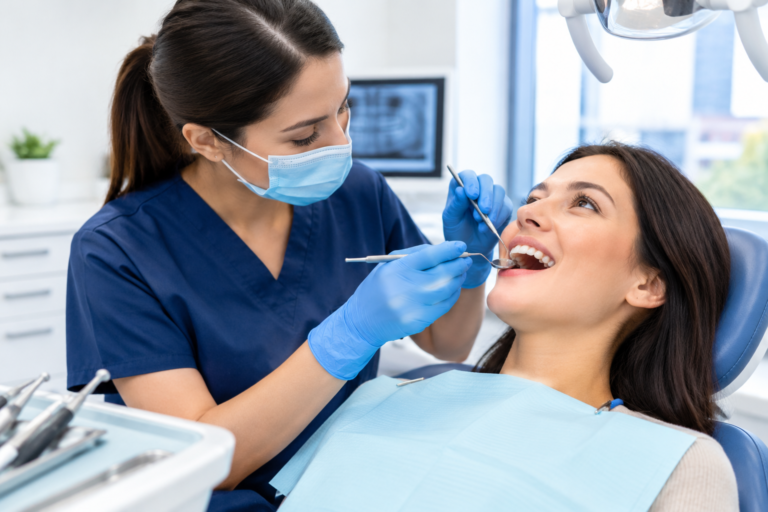
Professional tartar removal is performed during a dental hygiene appointment.
Dental Scaling
Scaling is the most common treatment for tartar removal. A dental hygienist or dentist uses specialised instruments to carefully remove tartar from above and below the gumline.
Ultrasonic Cleaning
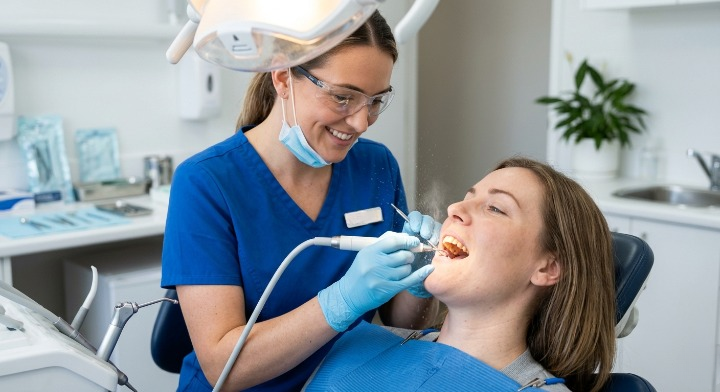
Many practices use ultrasonic scalers that use vibrations and water to break apart hardened deposits efficiently and comfortably.
Polishing
After tartar removal, teeth are polished to remove surface stains and smooth the enamel, making it harder for plaque to accumulate.
Deep Cleaning for Gum Disease
If tartar has accumulated beneath the gums and caused periodontal disease, a deeper cleaning known as scaling and root planing may be recommended.
Why Removing Tartar Is Important
Leaving tartar untreated can lead to serious dental problems, including:
Gum Disease
Tartar harbours bacteria that irritate the gums, leading to gingivitis and potentially advanced periodontal disease.
Tooth Decay
Bacteria trapped within tartar produce acids that can damage tooth enamel and increase cavity risk.
Persistent Bad Breath
Tartar build-up often contributes to chronic bad breath due to bacterial accumulation.
Tooth Loss
Advanced gum disease can affect the health and support of the teeth and may require further dental treatment.
How to Prevent Tartar Build-Up
Although tartar requires professional removal, there are several ways to reduce its formation:
Brush Twice Daily
Use fluoride toothpaste and brush for at least two minutes twice per day.
Floss Every Day
Flossing removes plaque between teeth where toothbrushes cannot reach.
Use an Antibacterial Mouthwash
Mouthwash can help reduce bacteria and slow plaque accumulation.
Limit Sugary Foods and Drinks
Reducing sugar intake decreases bacterial activity in the mouth.
Attend Regular Dental Hygiene Appointments
Professional cleanings remove plaque before it hardens into tartar.
How Often Should You Have Your Teeth Professionally Cleaned?
However, individuals with gum disease, heavy tartar build-up, or certain medical conditions may require more frequent visits.
Your dentist can recommend a personalised cleaning schedule based on your oral health needs.
When Should You See a Dentist?
You should book a dental appointment if you notice:
- Visible tartar on your teeth
- Bleeding gums
- Persistent bad breath
- Gum recession
- Loose teeth
- Tooth sensitivity
Early treatment helps prevent more serious dental problems and supports long-term oral health.
Conclusion
Tartar is hardened plaque that cannot be removed through brushing alone. Professional dental cleaning remains the safest and most effective way to remove tartar and maintain healthy gums. Regular hygiene care, combined with good oral care at home, can help reduce plaque and tartar build-up and support healthy teeth and gums.
At iCare Dental, we provide professional dental hygiene services designed to keep your smile healthy, clean, and free from harmful tartar build-up.
Frequently Asked Questions (FAQ)
Can tartar be removed naturally?
No. Once plaque hardens into tartar, professional dental instruments are typically required for safe removal.
Does baking soda remove tartar?
Baking soda may help remove some surface plaque and stains, but it cannot effectively remove hardened tartar.
What happens if tartar is not removed?
Untreated tartar can contribute to gum disease, tooth decay, bad breath and gum recession. Your dentist can assess your oral health and recommend appropriate treatment.
Can electric toothbrushes prevent tartar?
Electric toothbrushes are effective at removing plaque and may help reduce tartar formation when used correctly.
How often should I get tartar removed?
Your dentist or hygienist will recommend a cleaning interval based on your individual oral-health needs and risk.