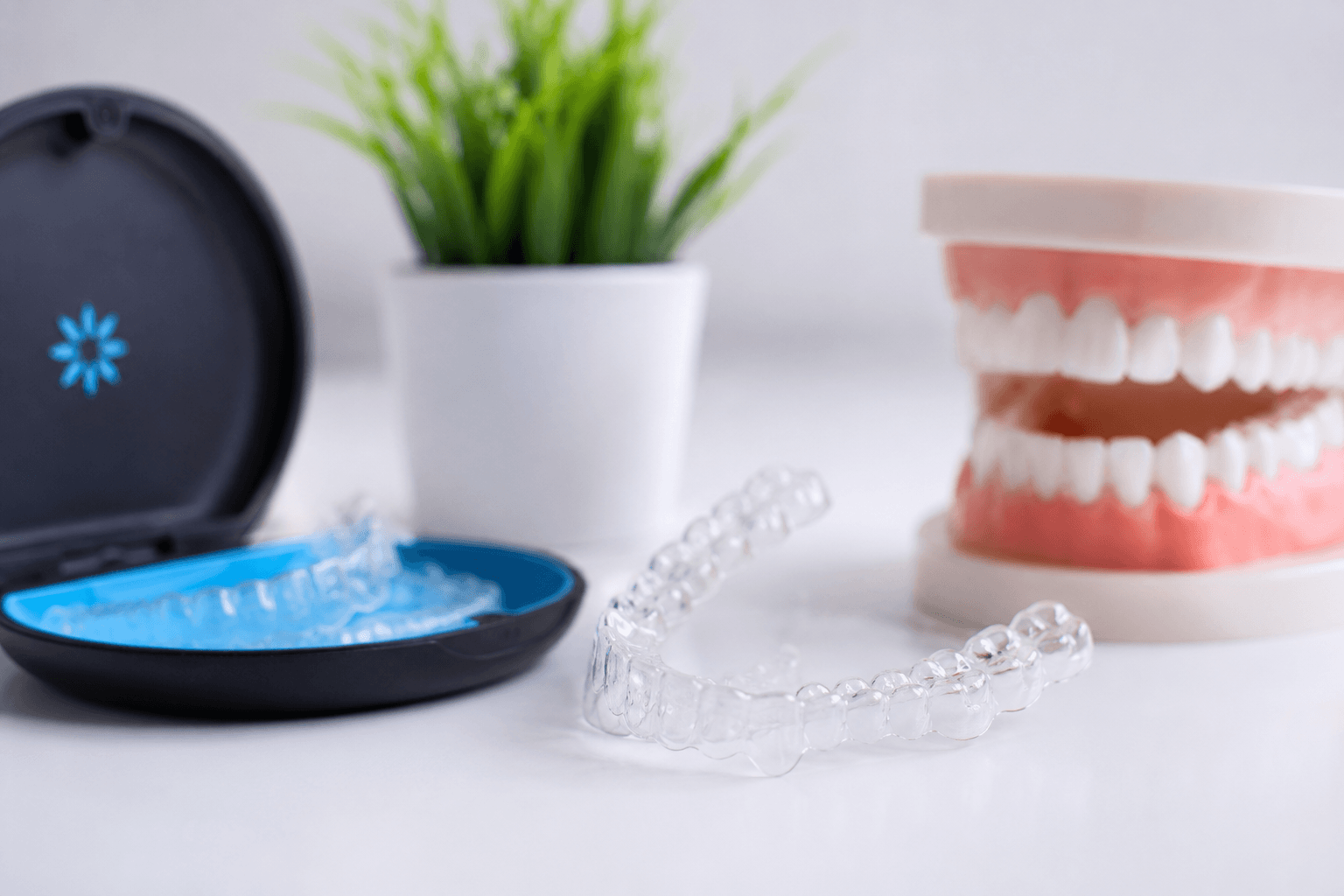
If you’re considering Invisalign, one of the first questions you’re likely to ask is, “How long does Invisalign take to work?” The answer depends on several factors, including the complexity of your case, how consistently you wear your aligners, and your overall oral health.
At iCare Dental, every Invisalign treatment is tailored to the individual. Using advanced digital scanning and personalised treatment planning, your dentist can provide an estimated timeline before treatment even begins, giving you a clear idea of what to expect.
If you’re considering clear aligners, you can also learn more about our Invisalign treatment here:
What Is Invisalign?
Invisalign is a modern orthodontic treatment that uses a series of custom-made, transparent plastic aligners to gradually move your teeth into better alignment. Unlike traditional braces, Invisalign contains no metal brackets or wires, making it a discreet and comfortable option for both adults and teenagers.
Each aligner is designed to make small, carefully controlled movements. You’ll typically switch to a new set of aligners every one to two weeks, with each set bringing your teeth closer to their ideal position.
The treatment can help correct:
- Crowded teeth
- Gaps between teeth
- Mild to moderate bite problems
- Crooked front teeth
- Relapsed orthodontic treatment
- Minor overbites and underbites
- Crossbites
- Open bites
Many patients choose Invisalign because it fits easily into everyday life. The aligners are removable, allowing you to eat normally and maintain good oral hygiene throughout treatment.
For a more detailed comparison, you may also enjoy reading:
or
When Will I Start Seeing Results?
One of the biggest advantages of Invisalign is that patients often notice improvements relatively early.
During the First Month
Initially, your teeth are making very small movements. Although these changes may not be obvious in the mirror, they are laying the foundation for the rest of your treatment.
Many patients report that:
- Their aligners begin fitting differently
- Tightness decreases before switching aligners
- Minor gaps begin changing
- Crowding starts improving
After Two to Three Months
This is when many people begin receiving compliments.
You may notice:
- Straighter front teeth
- Smaller gaps
- Improved smile symmetry
- Better bite alignment
- Easier flossing between previously crowded teeth
The exact improvements depend on which teeth are being moved first. Sometimes Invisalign focuses on correcting the bite before straightening the visible front teeth.
Six Months and Beyond
For many mild and moderate cases, six months marks a major milestone.
At this stage, patients often experience:
- Clearly straighter teeth
- Improved bite function
- Better confidence when smiling
- Easier brushing and flossing
- Reduced plaque accumulation around crowded teeth
Invisalign Treatment Cost
Clear Aligners – From £1,500
What Determines How Long Invisalign Takes?
Several factors influence your treatment time.
1. Complexity of Your Case
Treatment time varies by case and is determined after assessment and treatment planning.
2. Wearing Your Aligners Properly
This is probably the single biggest factor affecting treatment speed.
For Invisalign to work effectively, aligners should usually be worn for 20–22 hours per day.
Removing them frequently can delay treatment by weeks or even months.
Common reasons for delays include:
- Forgetting to wear aligners
- Leaving them out overnight
- Frequently removing them during the day
- Switching aligners too early
- Losing aligners
Patients who consistently follow their treatment plan generally finish much closer to their original estimated timeline.
3. Age
However, healthy adults of all ages can still achieve results with Invisalign.
4. Your Oral Health
Healthy gums and teeth provide the best environment for orthodontic treatment.
Before beginning Invisalign, your dentist may recommend treating:
- Gum disease
- Tooth decay
- Broken fillings
- Existing dental infections
Maintaining oral hygiene throughout treatment helps keep everything progressing smoothly.
You may also find these articles useful:
- https://icaredental.co.uk/how-to-straighten-your-teeth-without-braces/
- https://icaredental.co.uk/invisalign-is-the-best-choice-for-discreet-teeth-straightening/
- https://icaredental.co.uk/invisalign-a-clear-comfortable-way-to-transform-your-smile/
Does Invisalign Work Faster Than Traditional Braces?
For suitable cases, Invisalign can achieve results in a similar timeframe to traditional braces. In some mild cosmetic cases, treatment may even be completed more quickly.
However, complex orthodontic issues may still require traditional braces depending on the tooth movements involved.
The key difference isn’t always speed—it’s comfort, appearance, and convenience. Invisalign aligners are removable, making eating, brushing, and flossing much easier than with fixed braces.
Why Do Some Invisalign Treatments Take Longer?
Several factors can extend treatment.
Not Wearing Aligners Long Enough
The biggest reason for delays is inconsistent wear.
For best results, Invisalign aligners should generally be worn for 20–22 hours every day.
Removing them for extended periods means your teeth stop moving as planned.
Frequently Losing Aligners
Replacing lost aligners can delay treatment.
If an aligner goes missing, your dentist may advise you to:
- Wear your previous aligner
- Move to the next aligner
- Order a replacement
The correct option depends on your progress.
Missing Review Appointments
Regular appointments allow your dentist to:
- Check tooth movement
- Ensure aligners fit properly
- Make refinements
- Adjust treatment if necessary
Missing appointments can slow progress.
Poor Oral Hygiene
Healthy gums respond better to orthodontic treatment.
Gum inflammation may affect comfort and sometimes interrupt treatment if additional dental care is needed.
Maintaining good brushing and flossing habits is essential throughout Invisalign treatment.
You may also benefit from professional hygiene appointments before or during treatment.
Invisalign vs Traditional Braces:
| Feature | Invisalign | Traditional Braces |
|---|---|---|
| Removable | Yes | No |
| Nearly invisible | Yes | No |
| Easier brushing | Yes | More difficult |
| Eating restrictions | Very few | Several |
The overall treatment time is often similar, but Invisalign offers significant lifestyle advantages for many patients.
For a more detailed comparison, you may also like:
- https://icaredental.co.uk/top-5-advantages-of-invisalign-over-metal-braces/
- https://icaredental.co.uk/are-invisalign-better-than-braces/
- https://icaredental.co.uk/braces-vs-invisalign-which-treatment-is-right-for-you/
Can Invisalign Be Finished Early?
It is possible, but only if your teeth have moved exactly as planned.
Your dentist will only finish treatment once:
- Teeth are correctly aligned.
- Your bite is functioning properly.
- Final refinements are complete.
- You’re ready for retainers.
Finishing too early may compromise your results, so it’s important not to rush the process.
How to Keep Invisalign Treatment on Schedule
Following your dentist’s advice consistently is the best way to avoid unnecessary delays.
Wear Your Aligners for 20–22 Hours Each Day
The more consistently you wear your aligners,
Only remove them for:
- Eating
- Drinking anything other than water
- Brushing
- Flossing
Change Aligners Exactly When Instructed
Switching too early can prevent teeth from fully settling.
Waiting too long may also extend treatment unnecessarily.
Always follow your personalised schedule.
Keep Your Aligners Clean
Dirty aligners can become cloudy and may harbour bacteria.
To keep them fresh:
- Rinse after removal
- Brush gently with a soft toothbrush
- Avoid hot water
- Store them safely in their case
Attend Every Review Appointment
These visits allow your dentist to:
- Monitor progress
- Identify tracking issues
- Make adjustments
- Plan refinements if needed
Skipping appointments can delay treatment.
Maintain Oral Hygiene
Healthy gums respond better to orthodontic treatment.
Brush twice daily.
Floss every day.
Attend professional hygiene appointments where recommended.
Related reading:
- https://icaredental.co.uk/dental-hygiene-appointment/
- https://icaredental.co.uk/how-professional-dental-hygiene-treatments-can-prevent-oral-health-issues/
- https://icaredental.co.uk/how-can-you-remove-tartar-from-teeth/
- https://icaredental.co.uk/10-effective-ways-to-manage-gum-disease-at-home/
Invisalign for Adults
Many adults assume they are too old for orthodontic treatment.
In reality, Invisalign has become one of the most popular teeth-straightening options for adults because it is:
- Virtually invisible
- Comfortable
- Removable
- Suitable for professional lifestyles
- Easier to maintain than traditional braces
Adult treatment times are often similar to those of teenagers, although individual factors such as bone density and case complexity may influence the overall timeline.
Invisalign for Teenagers
Teenagers can also benefit from Invisalign, provided they are committed to wearing the aligners consistently.
Parents often appreciate that Invisalign:
- Makes brushing easier
- Allows normal eating habits
- Reduces emergency appointments caused by broken brackets
- Fits comfortably around sports and musical instruments
Compliance remains the most important factor in successful treatment.
Life After Invisalign: Why Retainers Matter
Completing Invisalign treatment is an exciting milestone, but it isn’t the end of your orthodontic journey.
Without retainers, teeth naturally tend to shift back towards their original positions over time.
To protect your investment, your dentist will usually recommend wearing retainers according to your personalised retention plan.
Initially, retainers may need to be worn for longer periods before gradually transitioning to nighttime wear.
If you’d like to learn more about life after orthodontic treatment, read:
- https://icaredental.co.uk/retainer-after-braces-everything-you-need-to-know/
- https://icaredental.co.uk/time-of-wear-retainer-after-orthodontic-treatment/
Why Choose iCare Dental for Invisalign?
At iCare Dental, we combine advanced digital technology with personalised treatment planning to help patients achieve straighter smiles comfortably and predictably.
Our Invisalign treatment includes:
- Comprehensive consultation
- Digital smile assessment
- Personalised treatment plan
- Regular progress reviews
- Ongoing support throughout treatment
- Retention advice after completion
Whether you have mild crowding or a more complex orthodontic concern, we’ll guide you through every stage of your Invisalign journey.
To learn more or book a consultation, visit:
Conclusion
So, how long does Invisalign take to work? For most patients, the honest answer is somewhere between 6 and 18 months, with mild cases finishing sooner and more complex bite corrections taking closer to two years. But the timeline is only ever an estimate — your actual results depend on your starting point, how consistently you wear your aligners, and how closely you follow your dentist’s plan.
The good news is that much of this is within your control. Wearing your aligners for 20–22 hours a day, attending your review appointments, and keeping up good oral hygiene are the simplest ways to stay on track and avoid unnecessary delays.
If you’re ready to find out what your own Invisalign timeline could look like, the best next step is a consultation. At iCare Dental, we’ll assess your teeth, talk through your goals, and give you a personalised treatment plan with a realistic timeframe from day one.
Book your Invisalign consultation with iCare Dental
Frequently Asked Questions
Does Invisalign work faster than metal braces?
Treatment times are often similar. Invisalign may be slightly quicker for mild cosmetic cases, but complex corrections can take a comparable amount of time with either option.
What happens if I don’t wear my aligners enough?
Inconsistent wear is the most common reason for delays. Aligners should be worn 20–22 hours a day — removing them too often can add weeks or months to your treatment.
Can I speed up my Invisalign treatment?
Following your dentist’s instructions closely — wearing aligners as directed, switching sets on schedule, and attending review appointments — gives you the best chance of finishing on time or even early.
Is Invisalign suitable for adults?
Yes. Invisalign is popular with adults because it’s discreet, removable, and fits easily around work and social life. Treatment times are generally similar to those for teenagers.
Do I need to wear a retainer after Invisalign?
Yes. Without a retainer, teeth can gradually shift back toward their original position. Your dentist will recommend a retention plan to protect your results.