If you’ve just been told by your dentist that you need a root canal, your first reaction is probably relief that your tooth can be saved — quickly followed by the question everyone asks next: how much is this actually going to cost? It’s a fair question, and one that’s surprisingly hard to get a straight answer to. At iCare Dental, Root Canal Treatment starts from £350–£700, while Root Canal Re-Treatment starts from £450–£900, depending on the tooth and treatment required. Prices can vary between practices, and the final cost is confirmed following an assessment and personalised treatment plan.
If you’re based in East London, this guide breaks down exactly what affects the price of a root canal, what you should expect to pay, and what questions to ask before you commit to treatment.
What Is a Root Canal, Exactly?
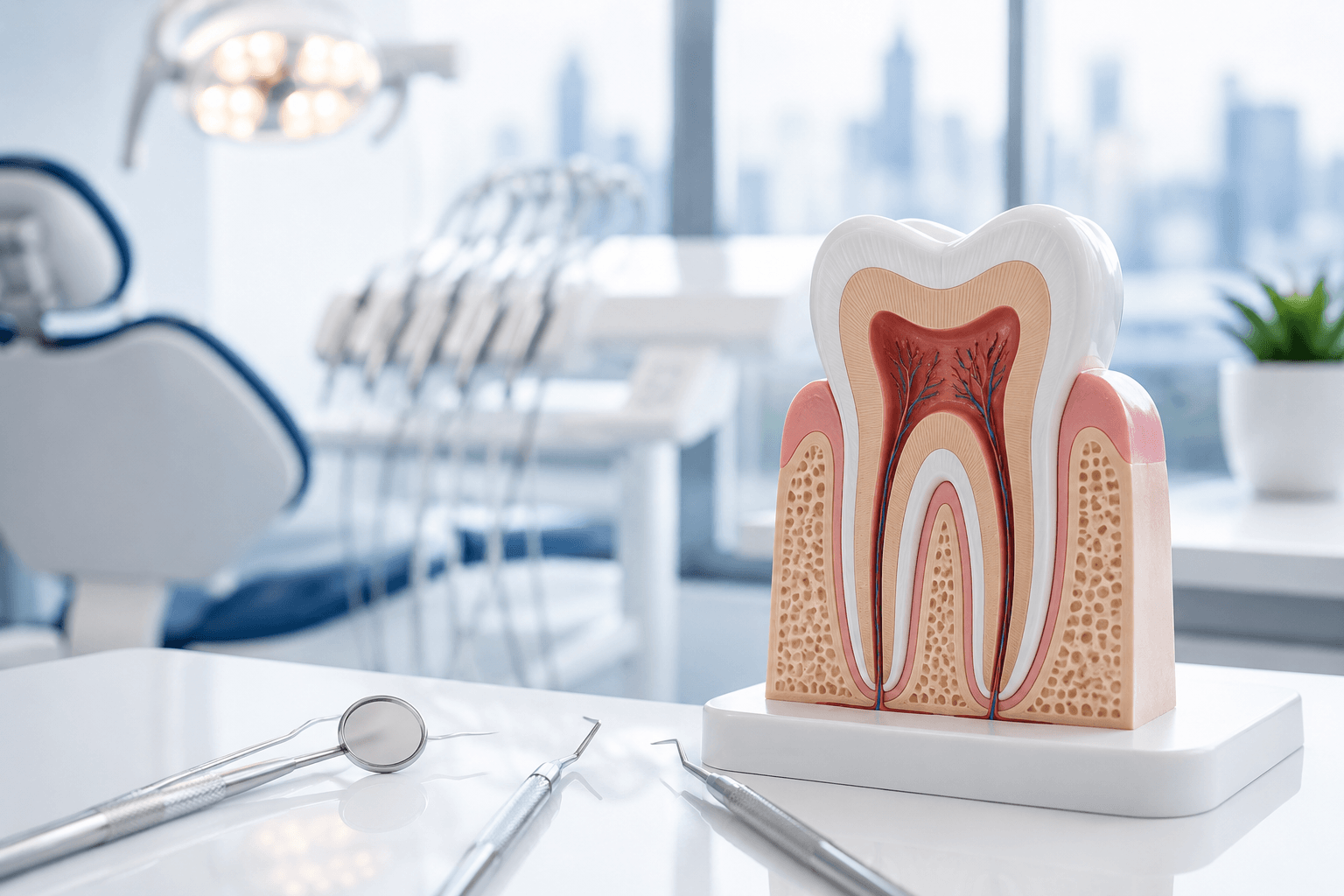
A root canal is a procedure that removes infected or inflamed pulp from inside a tooth — the soft tissue containing nerves and blood vessels — and then cleans, shapes, and seals the empty space to stop the infection from coming back. It’s typically needed when decay has gone deep enough to reach the nerve, when a tooth has been cracked or injured, or when a previous filling has failed and allowed bacteria back in. Left untreated, this kind of infection doesn’t resolve on its own; it tends to get more painful and can eventually lead to an abscess.
What Actually Determines the Price
There isn’t a single flat fee for “a root canal” because not all teeth are the same. Front teeth, known as incisors, generally have a single root canal and are the most straightforward and least expensive to treat. Premolars, just behind them, often have two canals. Molars — the larger teeth at the back of your mouth used for chewing — can have three or even four canals, which takes considerably longer in the chair and involves more precision, and is priced accordingly.
There’s also a difference between a first-time root canal and a retreatment. If a tooth has already had root canal treatment in the past and the infection has returned, retreatment is more technically demanding — the dentist has to carefully remove old filling material before addressing the new infection — and this is typically priced higher than a first-time procedure.
Is a Root Canal Worth the Cost Compared to Extraction?
It’s tempting to think extraction is the cheaper option, since it can sometimes cost less upfront than saving the tooth. But that comparison rarely holds up once you look further down the road. A missing tooth needs to be replaced to keep your bite functional and stop your other teeth from shifting out of position — and replacing it with a dental implant, bridge, or denture typically costs significantly more than the root canal would have in the first place. Keeping your natural tooth also preserves your natural bite force and appearance far better than any replacement can.
What Actually Happens During Treatment
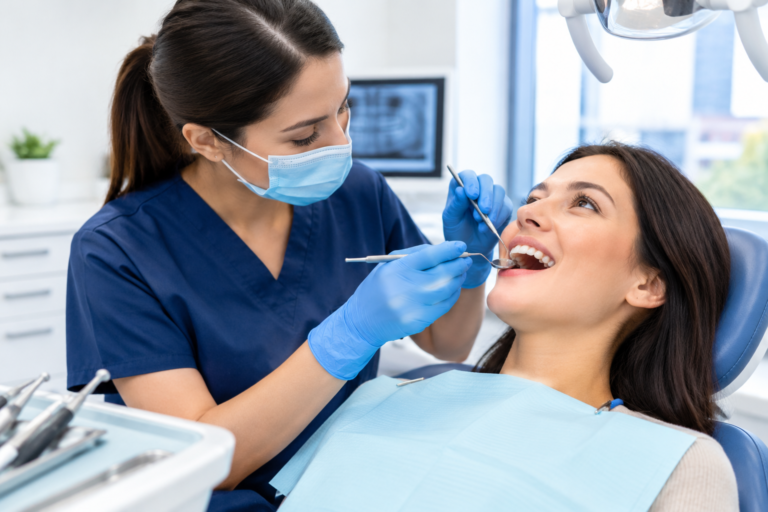
Root canal treatment has a reputation for being painful, which is largely outdated. Local anaesthetic is normally used to help keep treatment as comfortable as possible.
During the appointment, the dentist removes the infected pulp, then carefully cleans and shapes the inside of the root canal to remove all traces of bacteria. Once it’s fully disinfected, the canal is filled and sealed, and in many cases the tooth is then protected with a crown to restore its strength, particularly for back teeth that take the most chewing pressure.
Do You Need an Emergency Appointment?
If you’re in genuine pain — throbbing, swelling, or sensitivity that’s getting worse rather than better — this isn’t something to sit on. Urgent appointments may be available, subject to availability, and getting seen quickly not only relieves pain sooner but often prevents the infection from progressing to the point where the tooth becomes harder to save.
Questions Worth Asking Before You Book
- What’s the exact price for my specific tooth, not just a general range?
- Is a crown included in the quote, or is that billed separately afterward?
- What happens if the treatment needs a second visit?
A practice that answers these clearly, before you’ve committed to anything, is generally a good sign of how transparently they’ll handle the rest of your treatment.
Getting Treated in East London
If you’re searching for root canal treatment in Royal Docks, East London or elsewhere in E16, choosing a local practice means faster access if you’re in pain and someone who can see you through both the initial treatment and any follow-up. Our team at iCare Dental offers a clear price breakdown before any work begins, along with same-day emergency appointments when you need to be seen urgently. You can read more on our root canal treatment page, or take a look at the NHS’s overview of root canal treatment for further general background on the procedure.
Frequently Asked Questions
Is composite bonding the same as Invisalign?
No. Composite bonding changes the appearance or shape of selected teeth using resin, while Invisalign uses clear aligners to move teeth gradually.
Which treatment is cheaper?
The cost depends on the number of teeth involved, treatment complexity, appointments and what is included. A personalised quotation is needed for an accurate comparison.
Can Invisalign fix every dental problem?
No. Clear aligners are suitable for selected cases only. An assessment is required to determine whether they can address the patient’s alignment and bite concerns.